
CARE TRANSITION PLANNING GUIDE
Clarity For The
Transition Journey
A calm, neutral space designed specifically for Sarasota-Manatee families. This workbook provides objective frameworks to evaluate housing, care, and family legacy—completely free from sales pressure or real estate solicitations.
100% Educational Framework · Completely Confidential · No Agent Outreach
STAGE 01 : EMOTIONAL FOUNDATION
Honoring A Lifetime
Of Memories
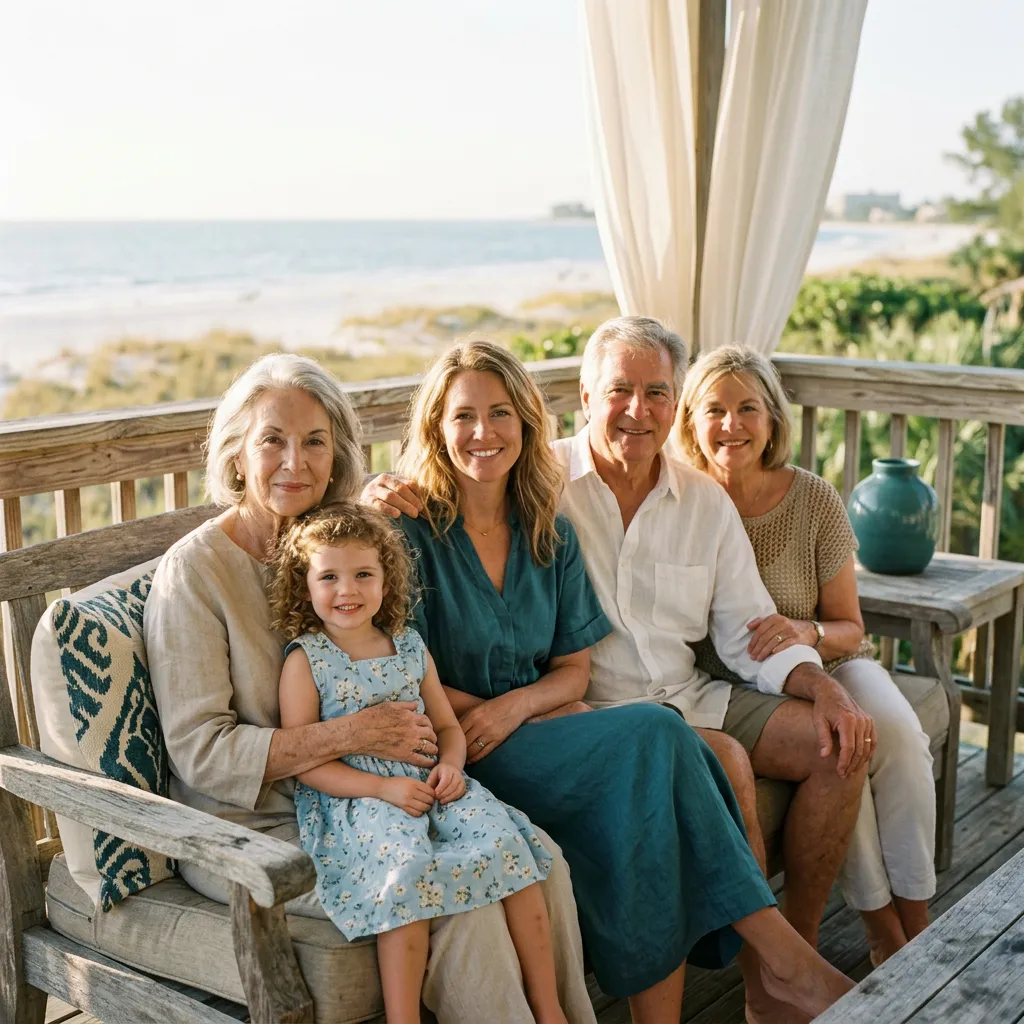
A family home is never merely drywall and square footage. It is the pencil markings charting growing heights against the kitchen doorframe, the quiet morning light across the patio, and decades of holiday tables surrounded by the people you cherish most.
Before considering physical changes or future steps, we begin by creating space for what this place has meant. The attachment you feel is not an obstacle—it is profound proof of a life deeply lived and loved.
“The memories aren't held in the architecture—they travel within the hearts of the family who made them.”

STAGE 02 : THE STRUCTURAL ASSESSMENT
When The Environment
Meets Reality
A home is filled with warmth and lifetime memories, but a house is physical architecture. Looking clearly at accessibility, family dynamics, and timing prevents crises before they arrive.
DIMENSION 01 : ENVIRONMENT & CARE
The Architecture of Daily Independence
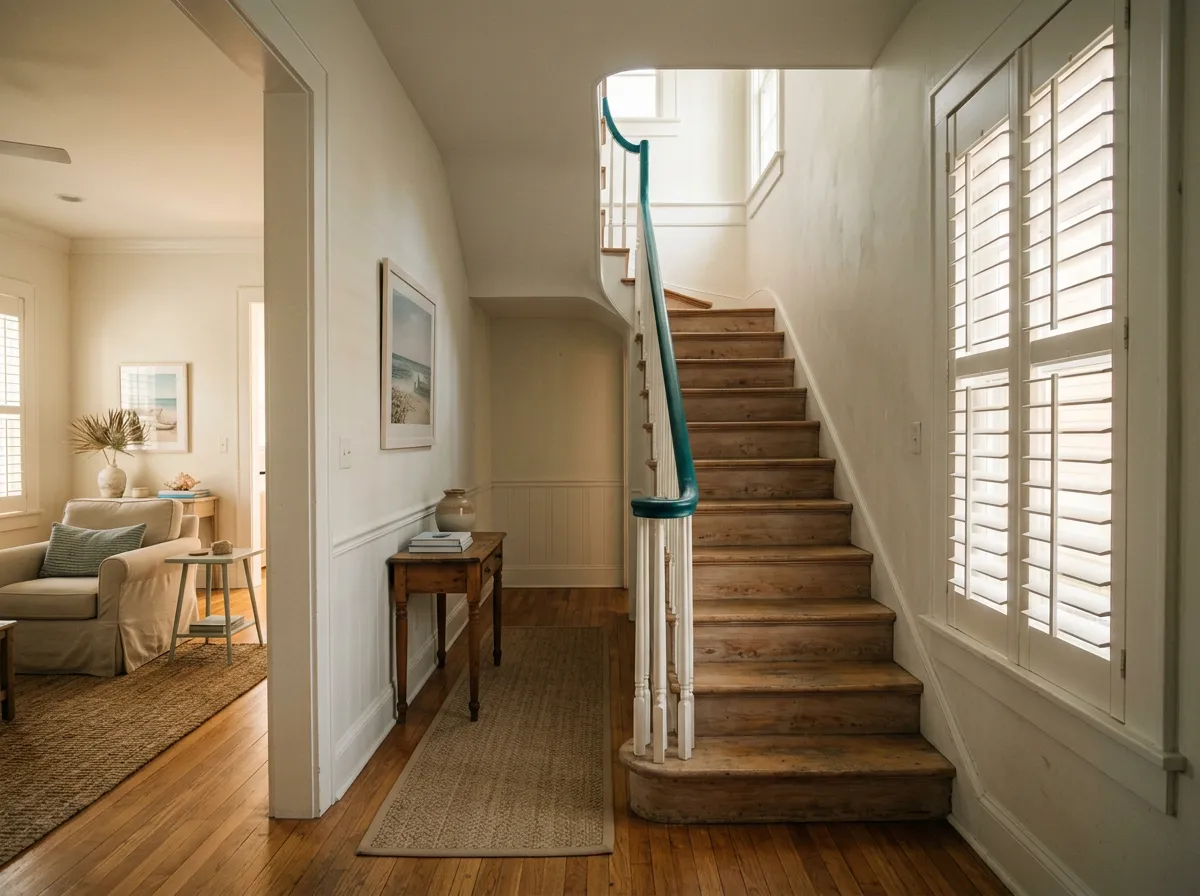
Subtle architectural elements often dictate health outcomes. Multi-level floor plans, narrow bathroom thresholds, exterior steps, and high-maintenance grounds create hidden friction points that gradually restrict daily mobility.
Evaluating physical layouts objectively is not a compromise of pride: it is a practical measure to preserve autonomy and ensure outside caregiving can be delivered safely.

DIMENSION 02 : FAMILY ALIGNMENT
Bridging Generational Perspectives
Adult children frequently view housing through the lens of safety and risk management, while aging parents view it through preservation of dignity and control. Neither viewpoint is incorrect.
Productive conversations start by replacing emotional assumptions with shared objective metrics: calculating real maintenance energy, verifying emergency access, and setting clear parameters for future support.
DIMENSION 03 : TIMING & DECISION HORIZONS
The Difference Between Choice and Crisis
The most restrictive housing transitions occur during emergency hospital discharges. When a move is forced by an acute health event, families lose the luxury of vetting communities, timing the property market, or thoughtful downsizing.
Proactive planning transforms an overwhelming relocation into an empowered lifestyle decision—giving everyone the time required to curate possessions and choose the ideal living model.

STAGE 03 : HOUSING LOGISTICS & CARRYING REALITIES
The True Cost
Of Staying
Evaluating an aging Florida residence means cataloging hidden physical demands, regional carrying expenses, and recurring upkeep obligations beyond a satisfied mortgage.
The Unseen Logistics of a Mature Florida Home
A home that has served a family for thirty or forty years carries a distinct physical profile. In coastal Sarasota and Manatee counties, property upkeep involves specific regional factors that compound over time:
- Sarasota-Manatee Tax & Municipal Assessments: Even under homestead caps, non-ad valorem assessments, stormwater district fees, and county infrastructure charges increase consistently over time.
- Insurance & 4-Point Inspection Rules: Florida windstorm carriers require regular proof of roof integrity, electrical panel modernization, and water heater updates to maintain standard property coverage.
- Sub-Tropical Climate Demands: Heavy humidity cycles place continuous stress on dual-zone HVAC systems, pool pumps, lanai screening, and exterior stucco finishes.
- Physical Coordination Strain: Sourcing, vetting, and supervising reputable contractors for emergency plumbing, tree trimming, and roof repairs creates significant daily cognitive fatigue.
Educational Note: This guide provides logistical analysis of aging home management and is not formal financial, tax, or legal advice. Consult certified professionals for individual tax and estate counsel.
SPECIAL MODULE
Economics Breakdown
Core ongoing carrying obligations common to mature coastal single-family homes:
- Annual wind & flood insurance adjustments
- Capital reserve for aging roof & HVAC replacement
- Routine grounds, irrigation & lanai storm maintenance
- Ongoing contractor management & emergency repair funds
HOUSING LOGISTICS VS. CARE
Clarifying bricks-and-mortar carrying costs separately from personal assistance helps families establish a factual foundation for future transition timing.
STAGE 05 : GUIDED EVALUATION
Gain Clarity On
Your Next Move
This self-paced, confidential evaluation helps families weigh physical comfort, neighborhood attachment, and long-term financial health without sales pressure. Discover whether aging in place, modifying your current home, or exploring rightsized living aligns best with your values.
100% Private & Educational • 6-8 Minute Completion • No Obligation
STAGE 06 · EXECUTION PHASE
Your Transition
Action Plan
The period of reflection and comparison is complete. Moving forward requires methodical, low-pressure steps to protect family assets, health, and autonomy.
Use this structured roadmap to sequence home safety reviews and advisor vetting without emotional overwhelm or premature commitments.
Educational self-assessment tool • No sales obligation
Next-Step Checklist Module
Interactive Self-AuditConduct Room-by-Room Home Safety Audit
Assess stairs, threshold steps, bathroom grab-bar needs, and ambient lighting to eliminate immediate fall risks.
Physical EnvironmentInterview Professional Advisors Neutrally
Vet fiduciary advisors, elder law attorneys, and certified aging-in-place specialists with standardized questions before signing agreements.
Professional AdvisoryCalculate 24-Month True Carrying Reserves
Separate direct living costs from prospective in-home assistance and maintenance reserves to avoid forced moves.
Financial LogisticsFacilitate Non-Crisis Family Alignment Meeting
Document personal autonomy preferences, designated health proxies, and emergency response contacts in clear writing.
Family ConsensusDerrick Davis
Home Transition Advisor | Keller Williams Coastal Living II
Providing empathetic, structured guidance for seniors and families navigating housing, lifestyle, and estate transitions across the Sarasota-Manatee coastal region.
Advisory Office & Brokerage Info
Brokerage: Keller Williams Coastal Living II
Advisor: Derrick Davis, Senior Transition Specialist
Service Area: Sarasota, Lakewood Ranch, Bradenton & Venice, FL
Direct Contact: (941) 555-0192 | [email protected]
IMPORTANT NOTICE & PROFESSIONAL DISCLAIMER
The information provided in the Care Transition Planning Guide and by Derrick Davis / Keller Williams Coastal Living II is published strictly for general educational and informational purposes. It is designed to assist families in evaluating housing options, accessibility needs, and logistical considerations during life transitions. This material does not constitute professional medical, clinical, healthcare, legal, estate planning, taxation, or financial investment advice.
Every individual's health status, legal rights, and financial circumstances are unique. Readers and clients must consult with licensed healthcare professionals, elder law attorneys, certified public accountants (CPAs), and accredited fiduciary advisors before undertaking major contractual, legal, medical, or financial decisions. Real estate advisory services are rendered in compliance with Florida Real Estate Commission standards and Equal Housing Opportunity laws.
© 2026 Derrick Davis | Keller Williams Coastal Living II. All rights reserved. Equal Housing Opportunity. Each office is independently owned and operated.